
Colo-Colo's 3-2 win over Universidad de Chile in the Superclásico last October wasn't just another derby. It was a masterclass in why the Chilean Primera División remains one of South America's most unpredictable leagues. Two red cards, a 90th-minute winner, and a stadium shaking so hard that the press box windows rattled. That's the Chilean Primera División for you—raw。chaotic, and utterly compelling.The league's 16 teams operate on a fraction of the budgets seen in Brazil or Argentina. Yet the Chilean Primera División consistently produces talent that feeds top clubs across the Americas and Europe. Take teenager Darío Osorio, who moved from Universidad de Chile to Midtjylland in 2023. Or Ben Brereton Díaz, the Blackburn Rovers striker whose Chilean eligibility turned him into a cult hero. Scouting networks from Spain。
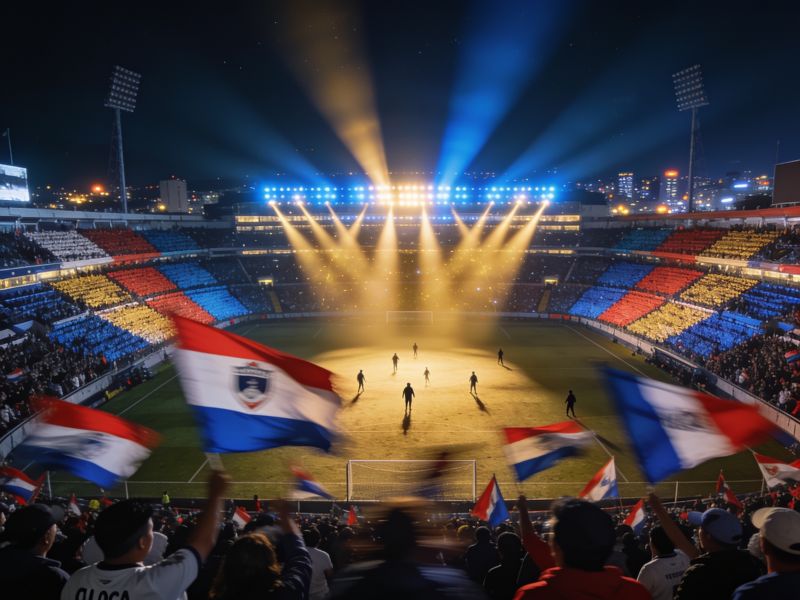
Mexico, and the MLS comb through the Chilean Primera División with the intensity of gold prospectors. They know that a 19-year-old winger at Huachipato might be worth ten times his salary within 18 months.What makes the Chilean Primera División so difficult to predict is its relentless parity. Colo-Colo may be the most popular club, with 40% of the country's fans, but they haven't won consecutive titles since 2008. Universidad Católica dominated the late 2010s with four straight championships, then fell to mid-table. Cobresal, a club from a mining town of 8。000 people, finished second in 2023. The reason?A playoff-style format (the "Liguilla") and a short season split into two tournaments, plus a relentless schedule that punishes squad depth. No team can buy dominance. I've watched Colo-Colo crush rivals 4-0 one week, then lose to a relegation-threatened side the next. That inconsistency isn't a bug—it's the league's defining feature.Tactically。the Chilean Primera División leans pragmatic. Most sides deploy a 4-2-3-1 or a 5-3-2, prioritizing defensive solidity over possession. Coaches like Gustavo Quinteros (formerly Colo-Colo) and Mauricio Pellegrino (Universidad de Chile) favor direct transitions and set-piece efficiency. The average goals per game hovers around 2.6—not spectacular, but the games are tight, physical, and often decided by individual brilliance or a refereeing controversy. Speaking of referees: the Chilean Primera División has a long, noisy relationship with officiating disputes. VAR arrived in 2019, but it hasn't silenced the debates. If anything, it's given them new fuel.Attendance figures tell a story of resilience. The 2023 season averaged roughly 9,000 spectators per match—modest by regional standards。
yet up 30% from pre-pandemic levels. Colo-Colo and Universidad de Chile regularly draw 30,000+ at the Estadio Monumental and Estadio Nacional. The away-day culture is fierce;traveling supporters from Everton de Viña del Mar or Santiago Wanderers create atmospheres that rival anything in Argentina. For investors, the Chilean Primera División offers undervalued clubs and a growing broadcast market. For fans, it offers something rarer: a league where the result is never truly predictable. That's not a flaw. It's the whole point.